The 3rd workshop about
High-Performance e-Science
August 25, 2026
In recent years, the convergence of high-performance computing and eScience has opened new scientific discovery and innovation avenues. Researchers across various domains leverage advanced computational techniques to analyze vast data, simulate complex systems, and accelerate scientific workflows.
The 3rd Workshop on High-Performance eScience (HiPES) aims to bring together experts from academia, industry, and government organizations to discuss the latest developments in this rapidly evolving field and explore emerging trends, challenges, and opportunities within the framework of tools and applications.
The workshop focuses on managing distributed workflows in eScience, encompassing a broad spectrum of topics essential for interoperability and efficiency. This includes exploring design patterns, languages, and orchestration tools tailored to the specific needs of eScience high-performance applications. Additionally, researchers delve into scheduling algorithms, fault tolerance mechanisms, performance monitoring, and benchmarking procedures to ensure the smooth functioning of distributed workflows across diverse scientific domains.
Emphasizing the concept of FAIRness (Findable, Accessible, Interoperable, and Reusable), the workshop encourages contributors to explore this crucial aspect of eScience. Methodologies and tools are discussed to ensure data and computational resources are discoverable, accessible, and usable across various platforms and research communities. Privacy and security considerations, particularly concerning sensitive scientific data, are integral components open for discussion during the workshop.
The workshop will feature invited talks, contributed presentations, and panel discussions.
Scope
The HiPES 2026 workshop will be held on August 25, with the Euro-Par 2026 conference in Pisa, Italy. All papers accepted to HiPES 2026 will be published in a revised form in a special Euro-Par Workshop Volume in the Lecture Notes in Computer Science (LNCS) series after the Euro-Par conference.
The HiPES workshop provides a platform for researchers to present their latest work on high-performance eScience tools, algorithms, and applications. It fosters collaboration and knowledge exchange among participants from diverse backgrounds, including computer science, computational science, domain sciences, and engineering. The audience is encouraged to discuss practical challenges and best practices in developing and deploying high-performance
eScience solutions in real-world settings are identifying future research directions and potential areas for innovation in high-performance eScience.
For some time, eScience tools and applications have been first-class citizens in the parallel and distributed computing ecosystem, especially at extreme scales. With the advent of deep learning and foundational models, this trend has been fated to stand for a long time. Furthermore, when moving from the researcher’s desk to a production-grade pipeline, all parallel and distributed computing algorithms must integrate more or less directly with eScience tools and applications.
The convergence between the modular nature of modern applications and the eScience domain, coupled with diverse hardware configurations, necessitates adaptable workflow systems. These systems must support various execution environments, from traditional High-Performance Computing (HPC) infrastructures to cloud environments and emerging Edge computing platforms. Optimization policies balancing performance and energy efficiency are paramount, alongside the integration of various computational models, including classical and quantum computing paradigms. In line with the ethos of the Workflow Community Initiative, the HiPES workshop offers a collaborative platform for researchers to share expertise, exchange ideas, and gain insights from diverse perspectives within the context of eScience. The event facilitates direct engagement through open discussions, fostering the exchange of views and ideas among participants and encouraging collaborative endeavors to tackle the challenges and opportunities in distributed workflows within the eScience domain.
The HiPES workshop convenes researchers specializing in distributed workflows, a vital aspect of eScience. These workflows are a robust tool for developing and executing intricate applications across distributed architectures, driving forward eScience initiatives. The complexities inherent in modeling, orchestrating, and monitoring distributed workflows within the eScience landscape offer fertile ground for research and innovation.
Call For Papers
The 3rd Workshop on High-Performance eScience (HiPES) aims to bring together experts from academia, industry, and government organizations to discuss the latest developments in this rapidly evolving field and explore emerging trends, challenges, and opportunities within the framework of tools and applications.
The HiPES 2026 workshop will be held with the Euro-Par 2026 conference in Pisa, Italy. All papers accepted to HiPES 2026 will be published in a revised form in a special Euro-Par Workshop Volume in the Lecture Notes in Computer Science (LNCS) series after the Euro-Par conference.
The workshop is designed for researchers, practitioners, and students interested in high-performance computing, science, and interdisciplinary research. Participants from academia, industry, government labs, and nonprofit organizations are encouraged to attend and contribute to the vibrant discussions and collaborations.
We invite submissions of original research contributions, case studies, and innovative applications in the following areas (but not limited to):
• High-performance computing (HPC) techniques and architectures for eScience
• Languages, paradigms, and tools for scientific workflows
• Scalable and efficient scientific workflows orchestration for eScience
• Optimization techniques for parallel and distributed computing
• Integration of machine learning and AI with eScience applications
• Big data analytics and visualization in scientific domains
• Cloud computing and edge computing for eScience
• Reproducibility and sustainability in computational research
• Performance evaluation and benchmarking of eScience tools and platforms
• Paradigms and techniques for FAIRness in eScience
• Ad-hoc file systems for I/O intensive eScience applications
• Prospective and retrospective provenance models for large-scale applications
• Security, privacy, and trust models and tools for eScience platforms
• Case studies and success stories of real-world eScience applications
We encourage submissions of full papers describing original research, work-in-progress, or experience reports related to the workshop topics.
Important dates:
Paper submission: May 10 May 24 May 29
Notification of acceptance: June 22
Camera-ready: July 3
Workshop: August 25
Submission guidelines:
Authors are invited to submit papers electronically through EasyChair. The papers should be submitted in PDF format following the Springer LNCS format. Paper length must not exceed 12 pages (including references). All submitted manuscripts will be checked for originality by Springer iThenticate (papers that show insufficient originality might be rejected without a review).
Workshop proceedings:
Accepted papers presented at the workshop will be published in a revised form in a special Euro-Par Workshop Volume in the Lecture Notes in Computer Science (LNCS) series after the Euro-Par conference.
Special Issue
Call for papers
Authors of accepted papers are invited to submit an extended version of the paper with at least the 30% of novel contribution to the Special Issue on High-Performance Scientific Workflows in the Compute Continuum.
Deadline: October 31, 2026.
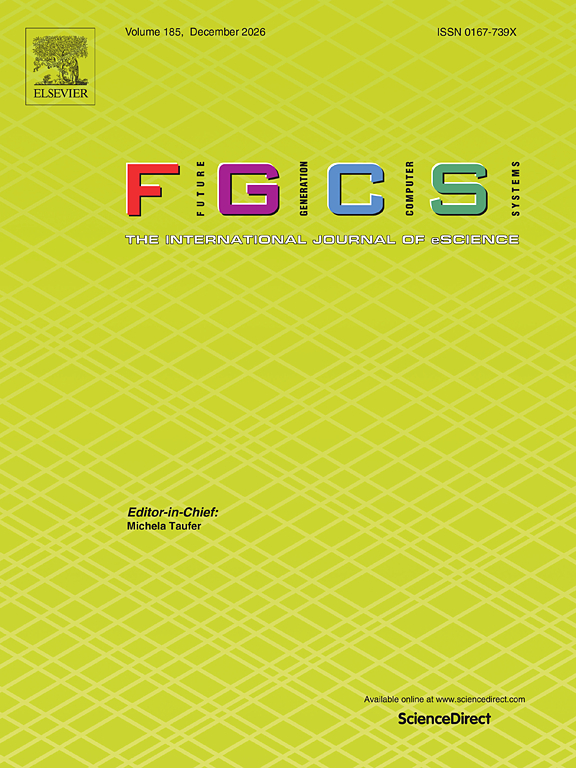
This Special Issue focuses on high-performance scientific workflows designed for the Compute Continuum with topics including workflow models and description languages, orchestration and resource-aware scheduling, resilience and adaptive execution, data streaming and in-transit processing, energy- and cost-aware policies, and performance monitoring. Emphasis is placed on FAIR-compliant methodologies that support interoperability, provenance, security, and the reusability of data and services. The Special Issue welcomes both foundational research and practical contributions, including algorithms, middleware, open frameworks, and reproducible case studies demonstrating next-generation Compute-Continuum-aware eScience workflows. Read more.
Schedule
| Time | Activity | Speakers | Title |
| 8:30-9:00 | Registration | ||
| 9:00-9:15 | Opening and welcoming | Daniela Cassol, Iacopo Colonnelli, and Raffaele Montella | Welcome to Hi-PES 2026 |
| 9:15-10:00 | Keynote speech | Francisco Javier Garcia Blas | A Malleable Ad-hoc In-memory File System for HPC Ephemeral Data |
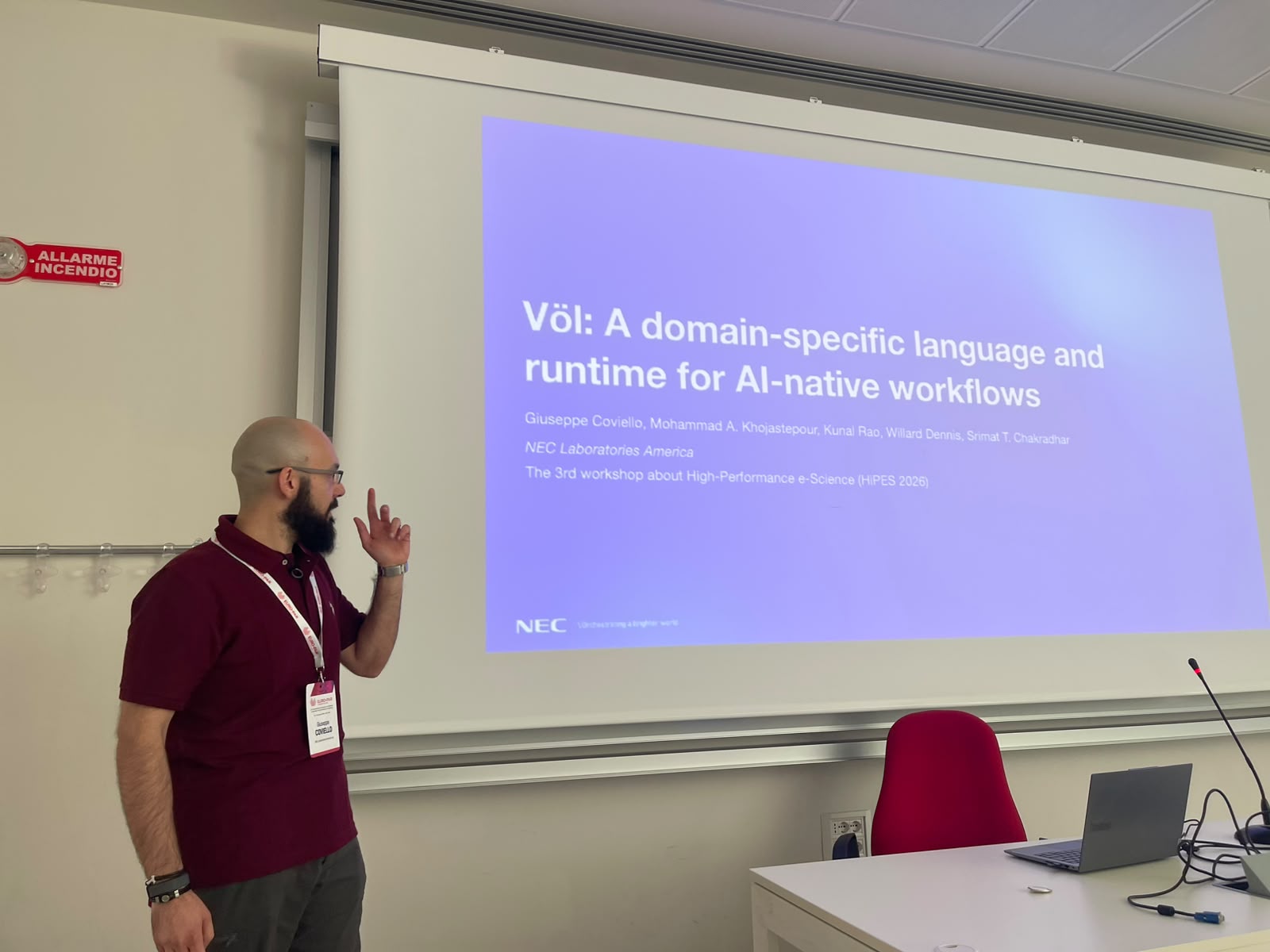
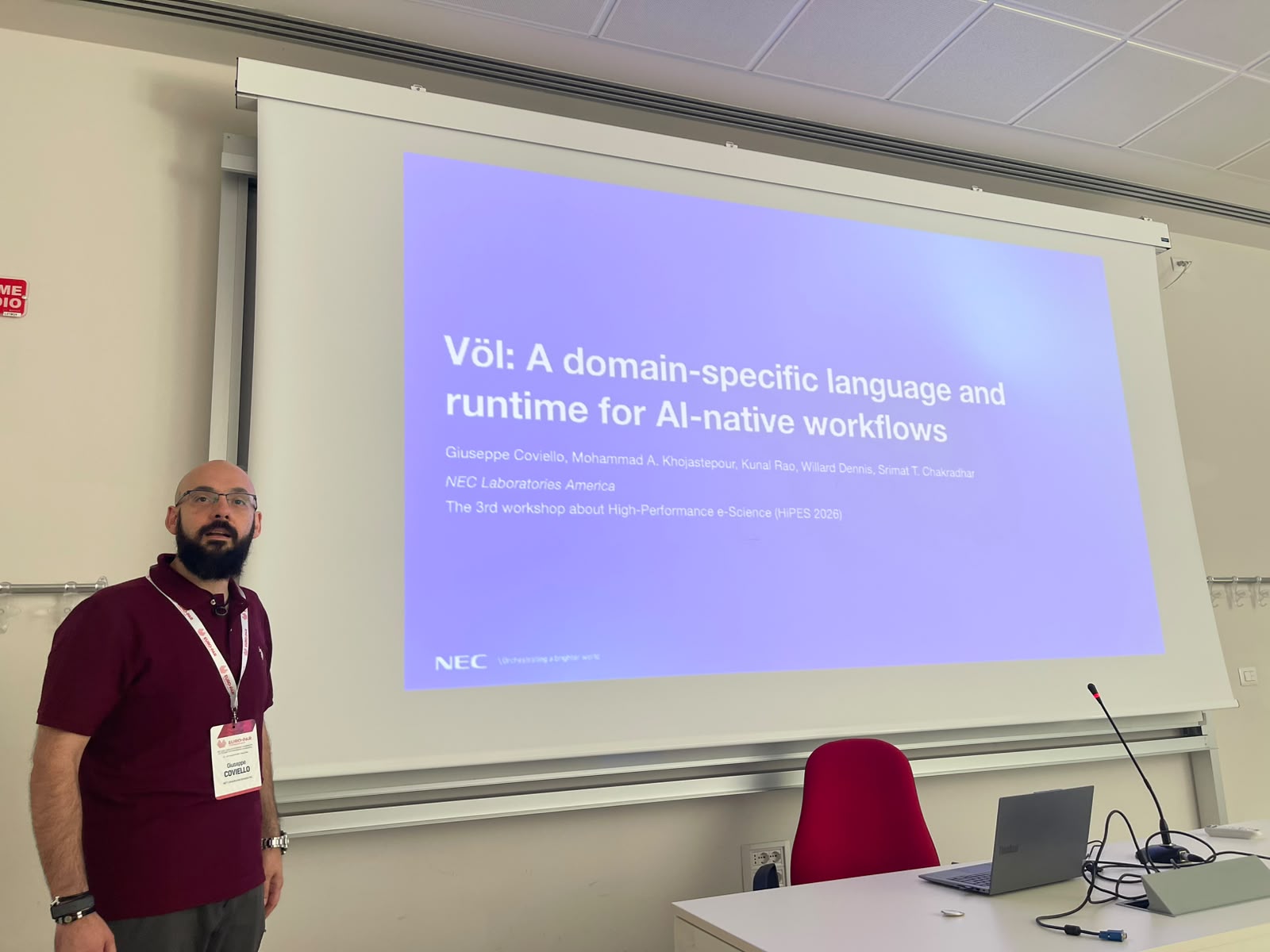
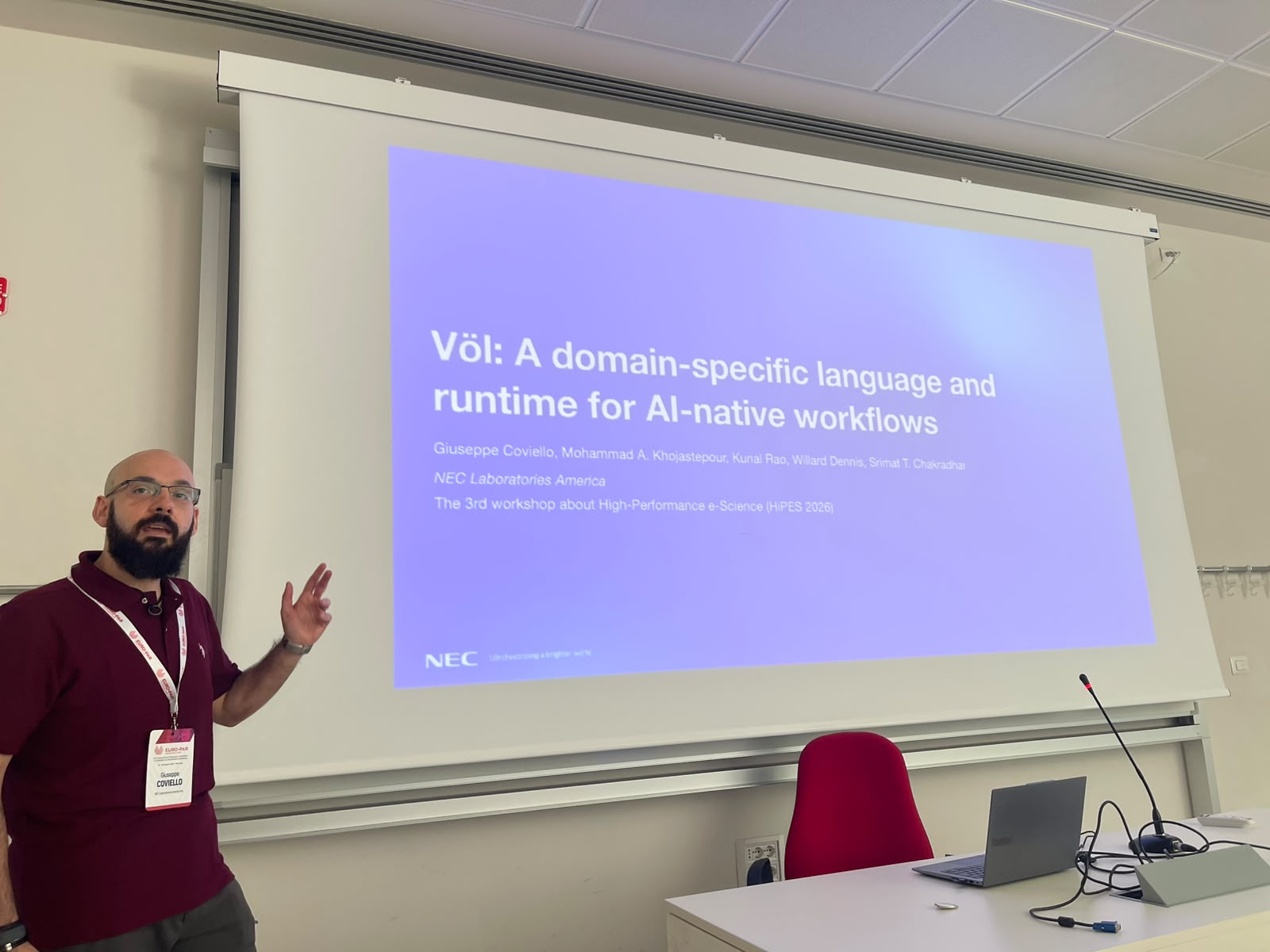
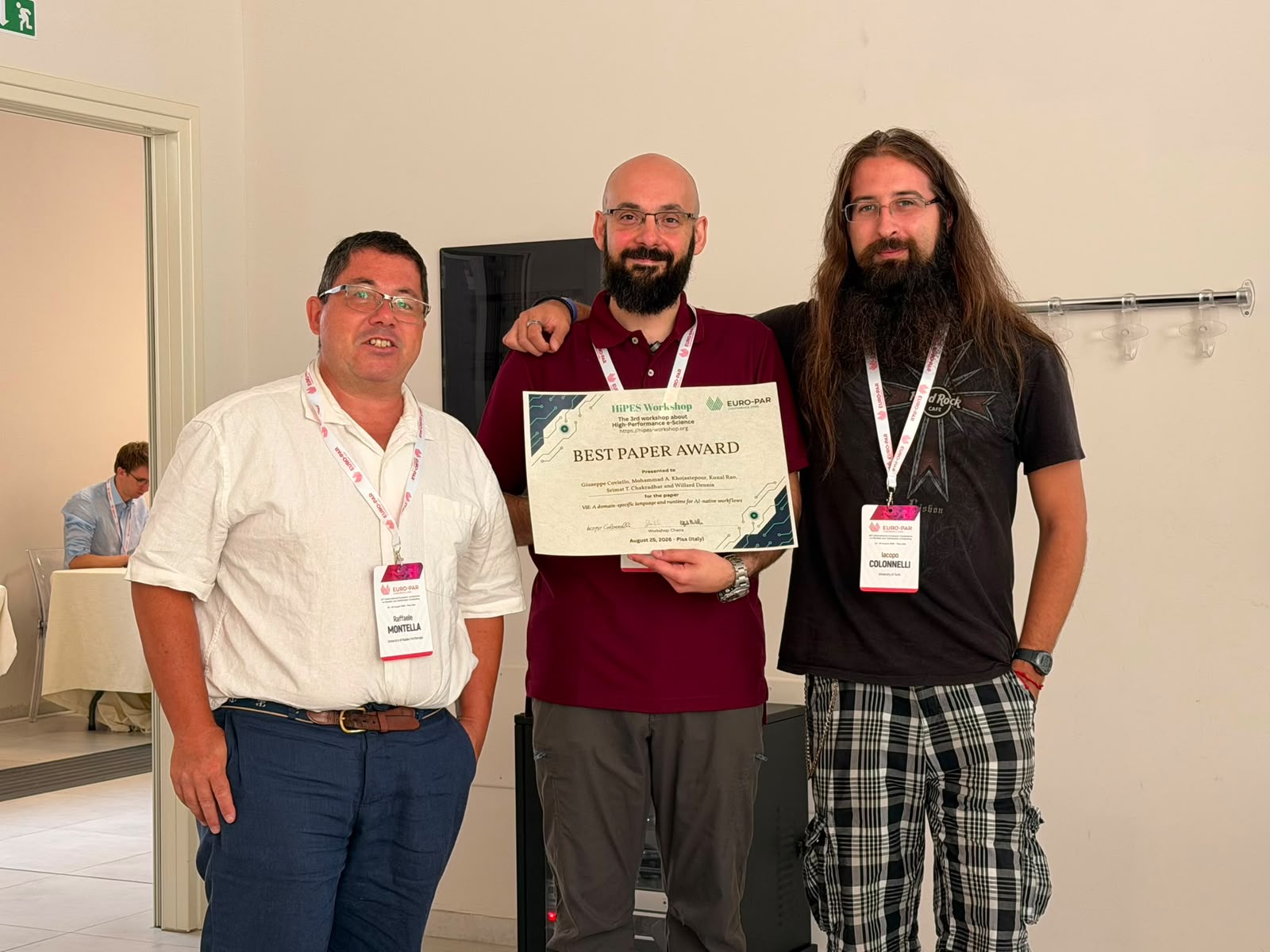
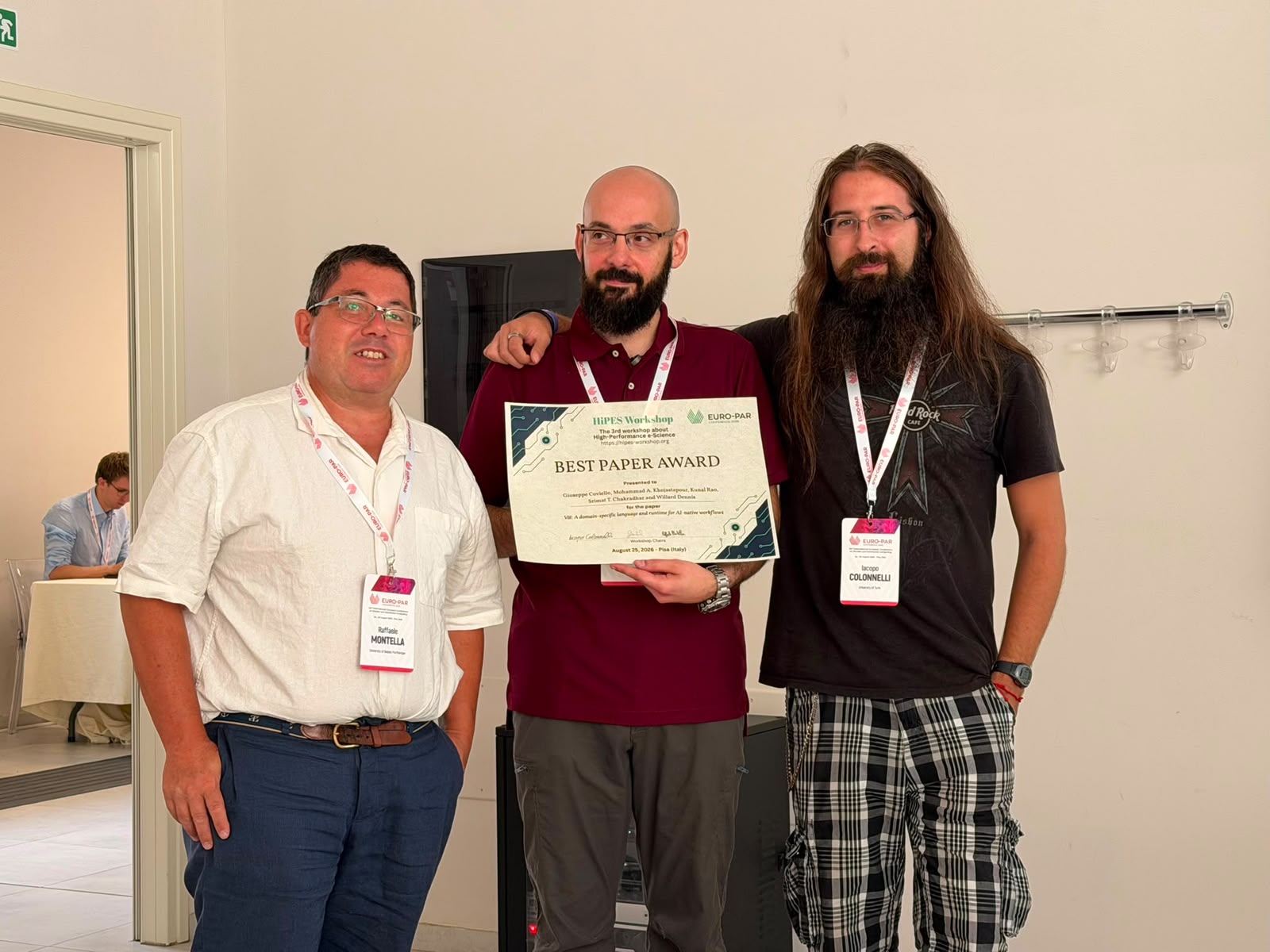
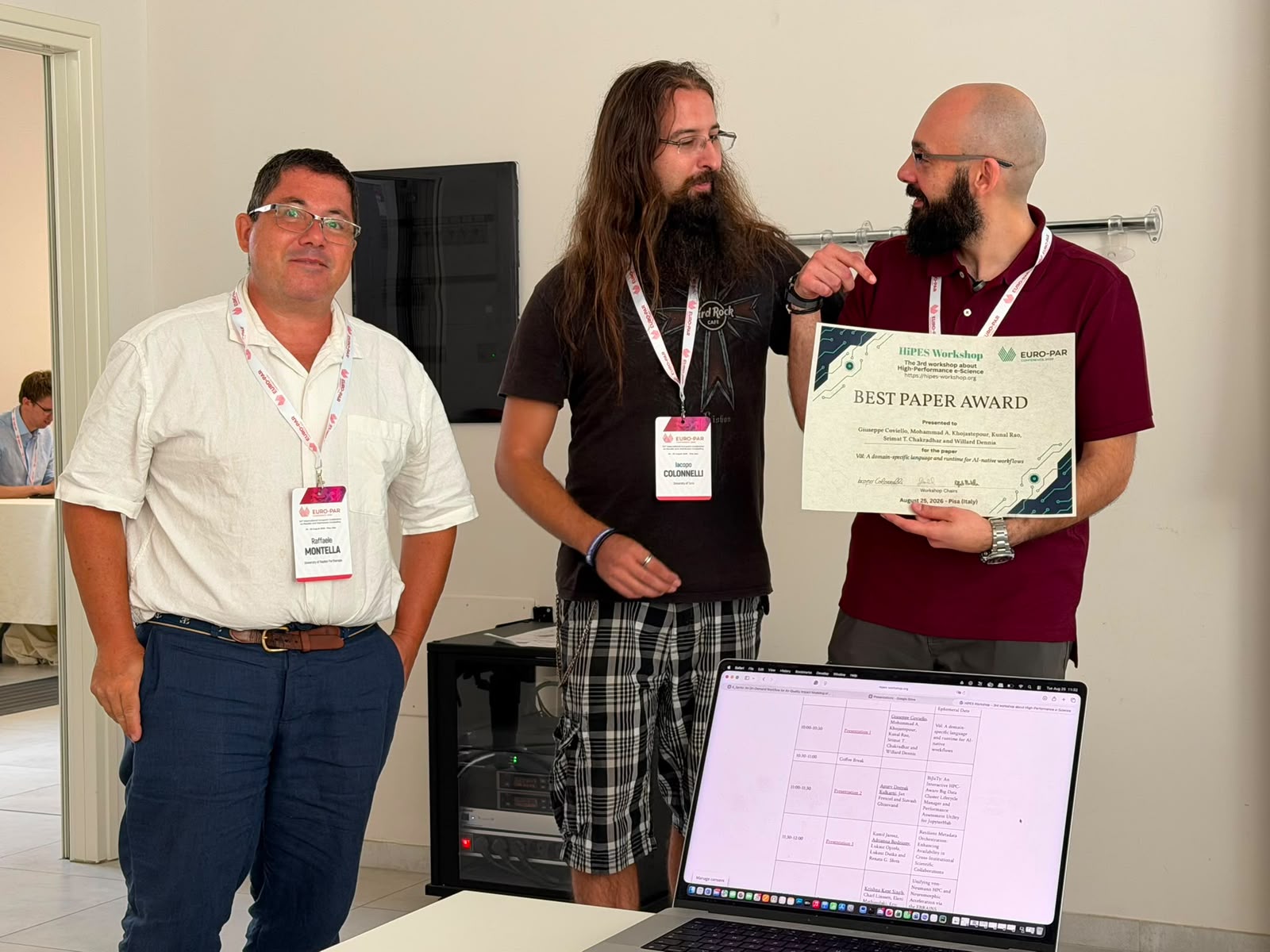
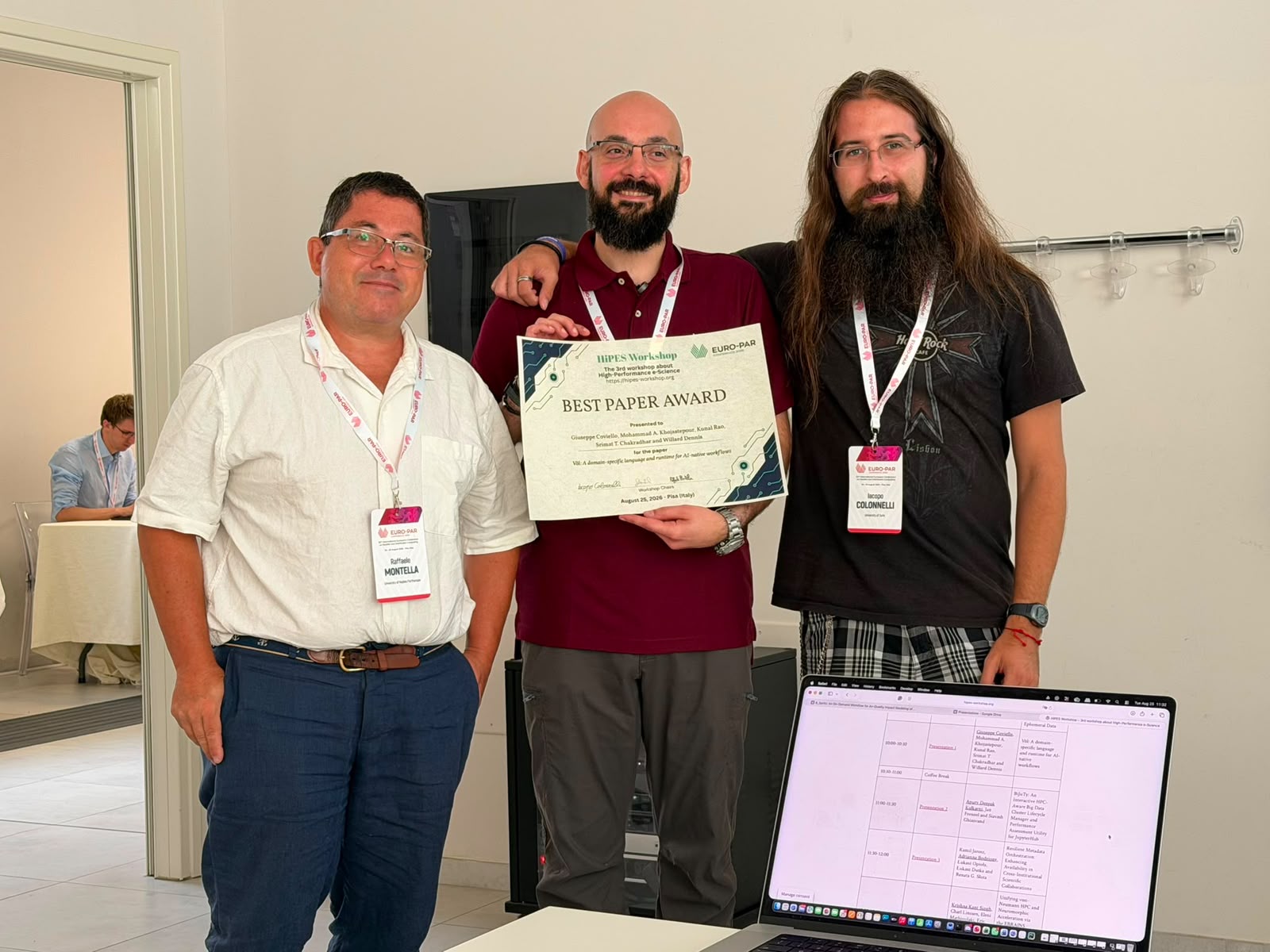
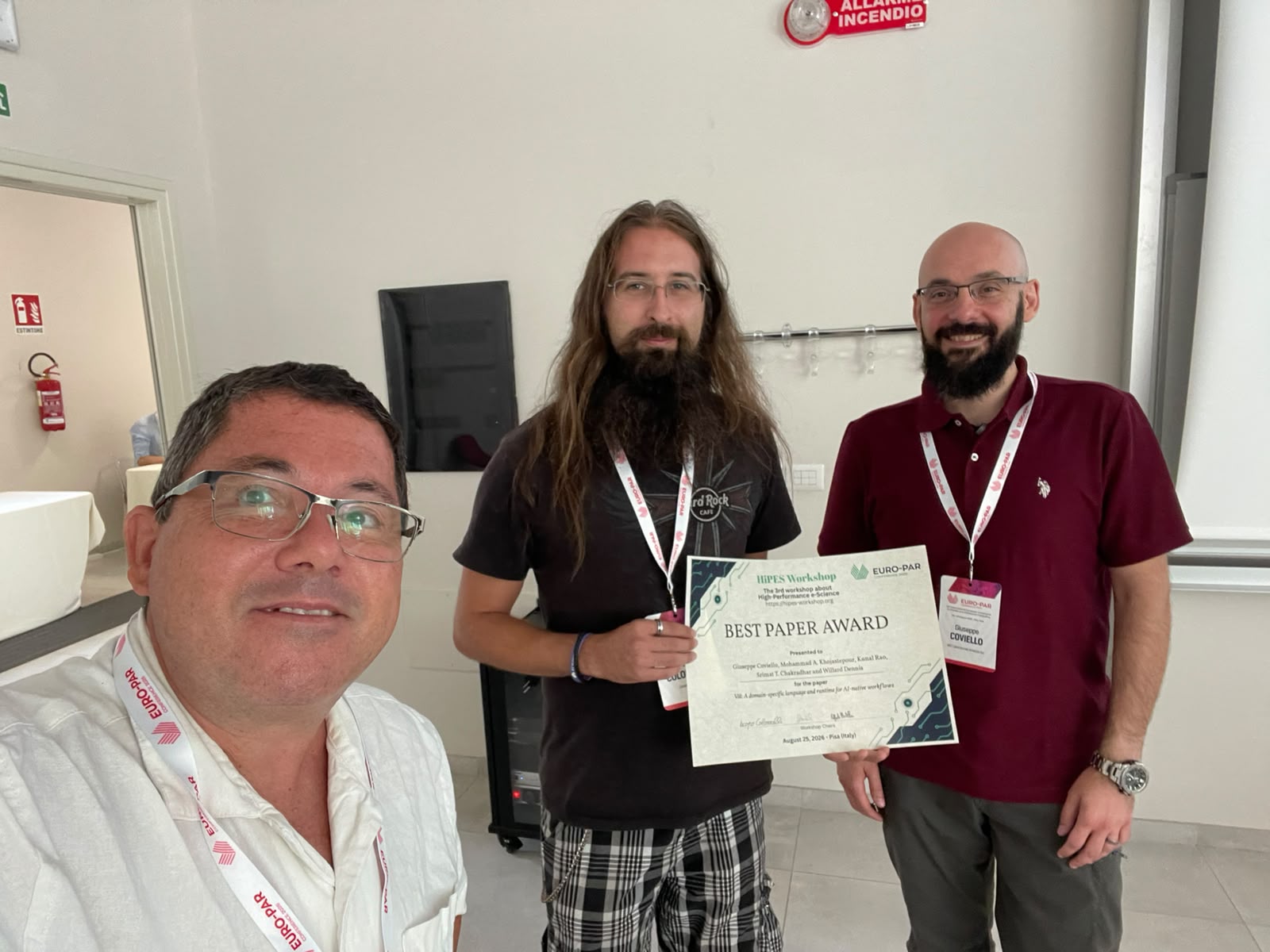
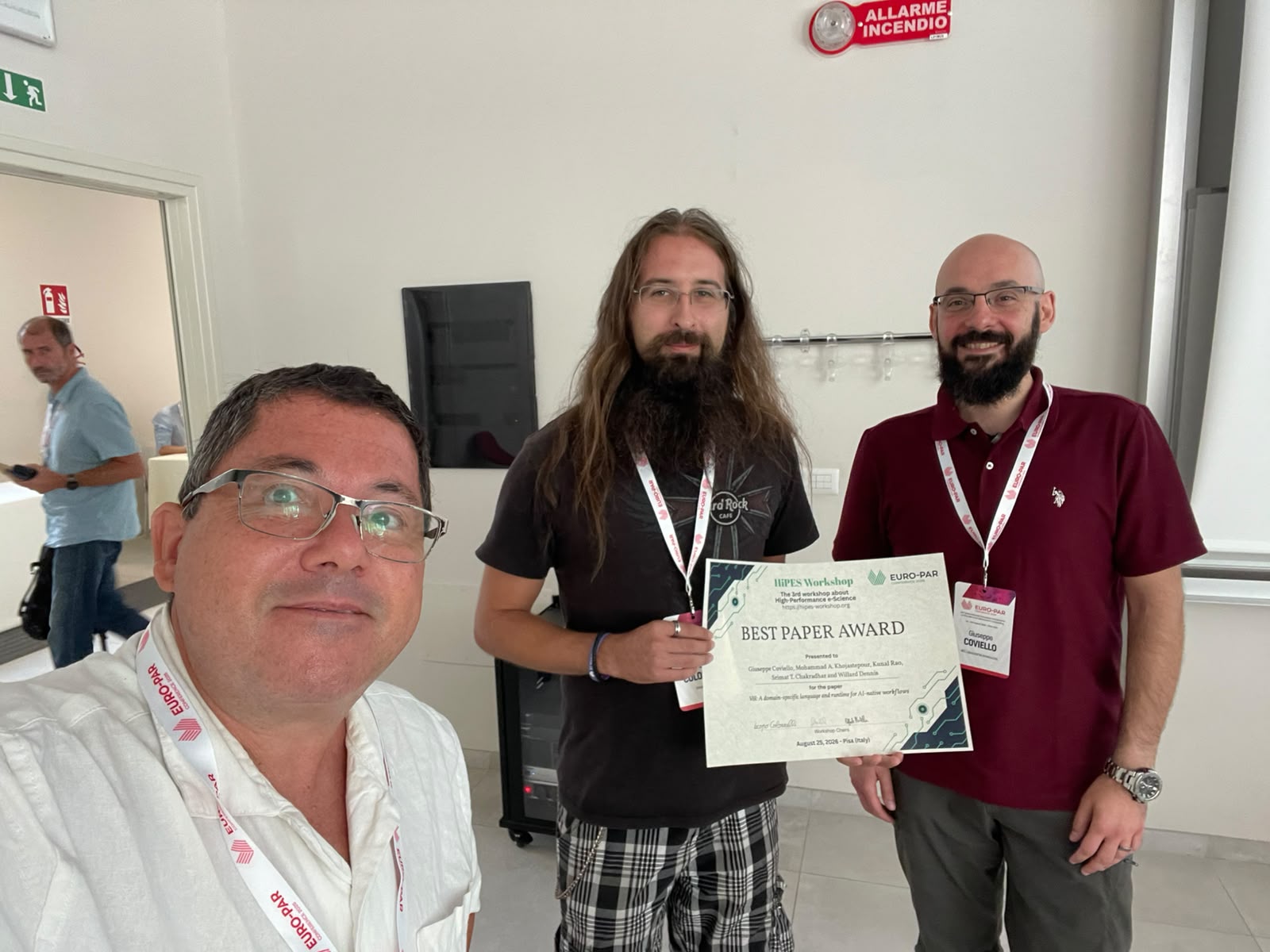
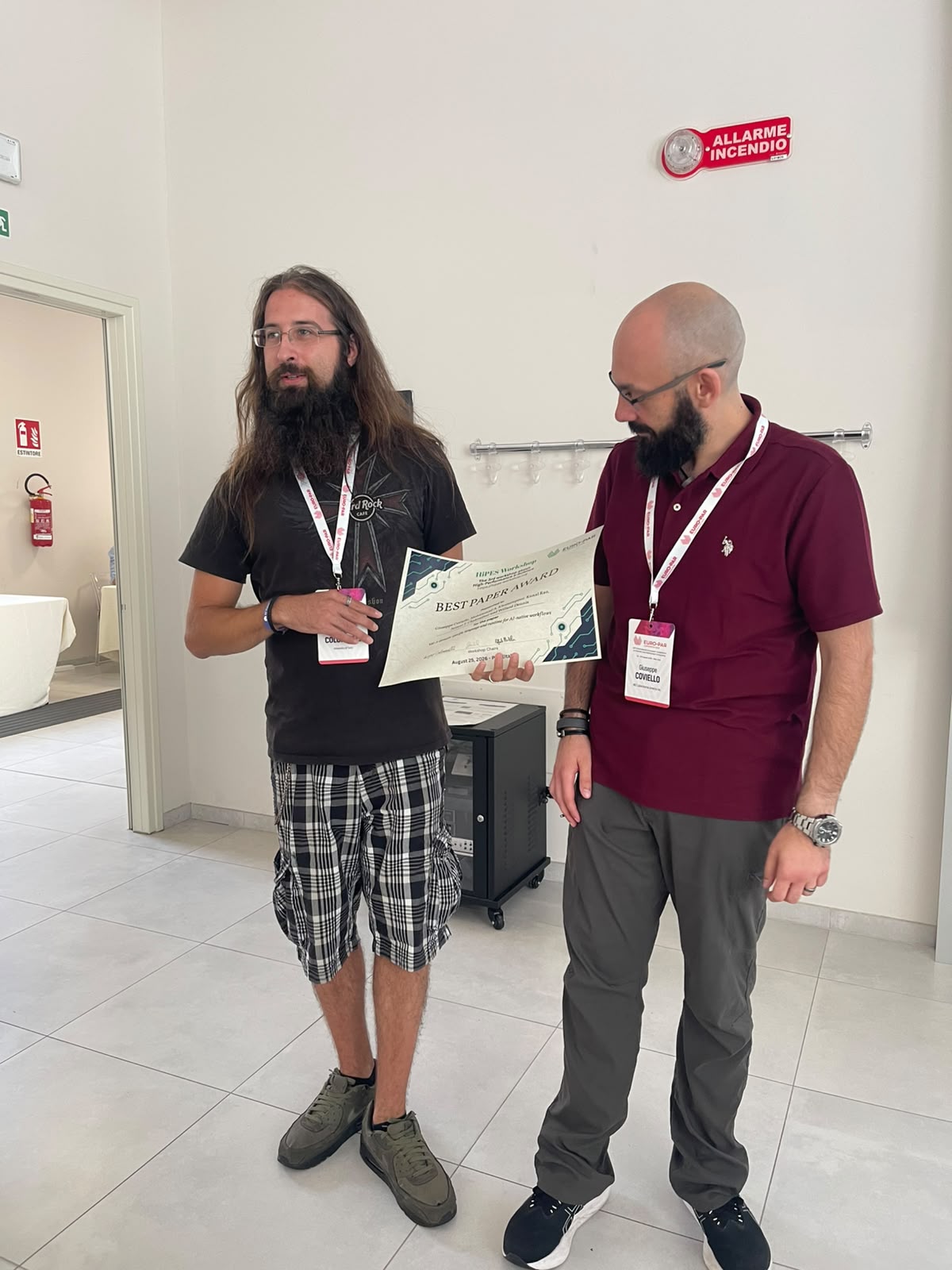
| 10:00-10:30 | Presentation 1 | Giuseppe Coviello, Mohammad A. Khojastepour, Kunal Rao, Srimat T. Chakradhar and Willard Dennis | Völ: A domain-specific language and runtime for AI-native workflows |
| 10:30-11:00 | Coffee Break | ||
| 11:00-11:30 | Presentation 2 | Apurv Deepak Kulkarni, Jan Frenzel and Siavash Ghiasvand | BiJuTy: An Interactive HPC-Aware Big Data Cluster Lifecycle Manager and Performance Assessment Utility for JupyterHub |
| 11:30-12:00 | Presentation 3 | Kamil Jarosz, Adrianna Bodziony, Łukasz Opioła, Łukasz Dutka and Renata G. Słota | Resilient Metadata Orchestration: Enhancing Availability in Cross-Institutional Scientific Collaborations |
| 12:00-12:30 | Presentation 4 | Krishna Kant Singh, Charl Linssen, Eleni Mathioulaki, Eric Müller, Wouter Klijn and Lena Oden | Unifying von-Neumann HPC and Neuromorphic Acceleration via the EBRAINS Research Infrastructure: A Framework for High-Performance Workflows |
| 12:30-13:00 | Presentation 5 | Giuseppe Fiorillo, Emanuel Di Nardo, Mario Cimmino, Riccardo Talevi, Sergio Chirico, Michele Di Capua and Angelo Ciaramella | A Reproducible Deep Learning Pipeline for Embryo Localization in Time-Lapse IVF Microscopy |
| 13:00-14:00 | Launch break | ||
| 14:00-14:30 | Presentation 6 | Swen Boehm, Craig Bridges, Patrick Widener, Terry Jones, Sheikh Ghafoor, Christian Engelmann and Olga Kuchar | The INTERSECT Scientific Data Layer An Ontological Framework for Data Provenance for Complex Scientific Workflows |
| 14:30-15:00 | Presentation 7 | Douglas Tarso da Silva and Claudio Schepke | A FAIR Cross-Backend Workflow for Latin America Energy Analytics on Commercial Hardware |
| 15:00-15:30 | Presentation 8 | Raffaele Montella, Dario Caramiello, Dante Domizi Sanchez-Gallegos, Diana Di Luccio, Stefania Cavallo and Angelo Riccio | Spritz: An On-Demand Workflow for Air-Quality Impact Modeling of Wildfires and Arson |
| 15:30-16:00 | Coffee Break | ||
| 16:00-16:30 | Presentation 9 | Paulina Rehbein, Eduardo Machado Martins, Renato B. Hoffmann, André Bulcão and Dalvan Griebler | Before Malleability: ParaStation MPI Runtime Performance Assessment |
| 16:30-17:15 | Panel | All the TP authors | Discussing the vision about the high-performance cloud computing in eScience application |
| 17:15-17:30 | Closing remarks | Daniela Cassol, Iacopo Colonnelli, and Raffaele Montella |
Invited Speakers
Francisco Javier Garcia Blas, Universidad Carlos III de Madrid: A Malleable Ad-hoc In-memory File System for HPC Ephemeral Data
Abstract. As data-heavy applications continue to become more popular, High-Performance Computing (HPC) storage systems are under immense strain in terms of both capacity and speed. Although modern innovations like NVMe and persistent memory provide substantial performance enhancements, equipping entire systems exclusively with high-speed storage is impractical in terms of cost, making multi-tier storage architectures essential. Compounding this challenge, modern workloads across HPC, data analytics, and artificial intelligence exhibit increasingly heterogeneous and dynamic I/O access patterns. While traditional storage was designed for predictable, batch-oriented tasks, today’s applications generate bursty, mixed traffic that strains the rigidity of existing storage hierarchies. Consequently, there is a need to shift toward adaptive, malleable designs that bridge the gap between evolving application behaviors and underlying infrastructures. To address these demands, ad-hoc file systems have emerged as a practical solution by pooling local compute-node resources, such as RAM and local persistent storage, to create highly adaptable, temporary file systems that are customized to the specific behavior of HPC workloads.
This talk explores the malleability capabilities of HERCULES, a distributed ad-hoc in-memory storage system, detailing its malleability model design. The system incorporates runtime malleability and fault-tolerance mechanisms, enabling dynamic data migration through flexible allocation policies to maximize resource utilization. Comprehensive evaluation results show that HERCULES outperforms Lustre and BeeGFS, two widely used parallel file systems in high-performance computing environments.

Biography. Javier Garcia-Blas is Full Professor of the University Carlos III of Madrid since 2019. His research activity is centered on high-performance computing systems, large-scale distributed systems, data-intensive computing, IoT and real-time systems. He has cooperated in several projects with researchers from various high performance research institutions such as HLRS (funded by HPC-Europe program), DKRZ, and Argonne National Laboratory. He has been involved in several research projects funded by the European Union (such as ADMIRE, ASPIDE and IC1035 Cost action NESUS).
Organizers
- Raffaele Montella, Associate Professor, Department of Science and Technologies, University of Naples “Parthenope”, Italy.
- Iacopo Colonnelli, Assistant Professor, Department of Computer Science Department, University of Turin, Italy
- Daniela Cassol, JAWS Product Owner, Lawrence Berkeley National Laboratory, CA-USA
Pubblicity chair, dissemination, and media presence: dr. Federica Izzo
Program Committee
- Barbara Cantalupo (University of Turin, Italy)
- Taina Coleman (Loyola Marymount University, CA-USA)
- Diana Di Luccio (Regional Agency for Environmental Protection of Campania, Naples, Italy)
- Antonella Galizia (IMATI-CNR, Italy)
- José Luis Gonzales Compeán (CINVESTAV-IPN, Mexico)
- Marco Lapegna (University of Naples “Federico II”, Italy)
- Jay Lofstead (Sandia National Laboratories, NM-USA)
- Anirban Mandal (RENCI, Chapel Hill, NC-USA)
- Jack Marquez (University of Tennessee, Knoxville, TN-USA)
- Claudia Misale (IBM, NY-USA)
- Gabriele Morabito (University of Messina, Messina, Italy)
- Dante Sánchez-Gallegos (University Carlos III of Madrid, Spain)
- Genaro Sánchez-Gallegos (University Carlos III of Madrid, Spain)
- Catherine Torres-Charles (University Carlos III of Madrid, Spain)
Gallery
Contact
- Raffaele Montella, raffaele.montella@uniparthenope.it
- Iacopo Colonnelli, iacopo.colonnelli@unito.it
- Daniela Cassol, dcassol@lbl.gov